Edge of stochastic stability. We know that deep networks train at the edge of stability in GD and at an analogous stochastic edge for SGD. Optimizers + SGD is a little less understood and we wonder if there is a universal descriptor of this regime.
Hello :)
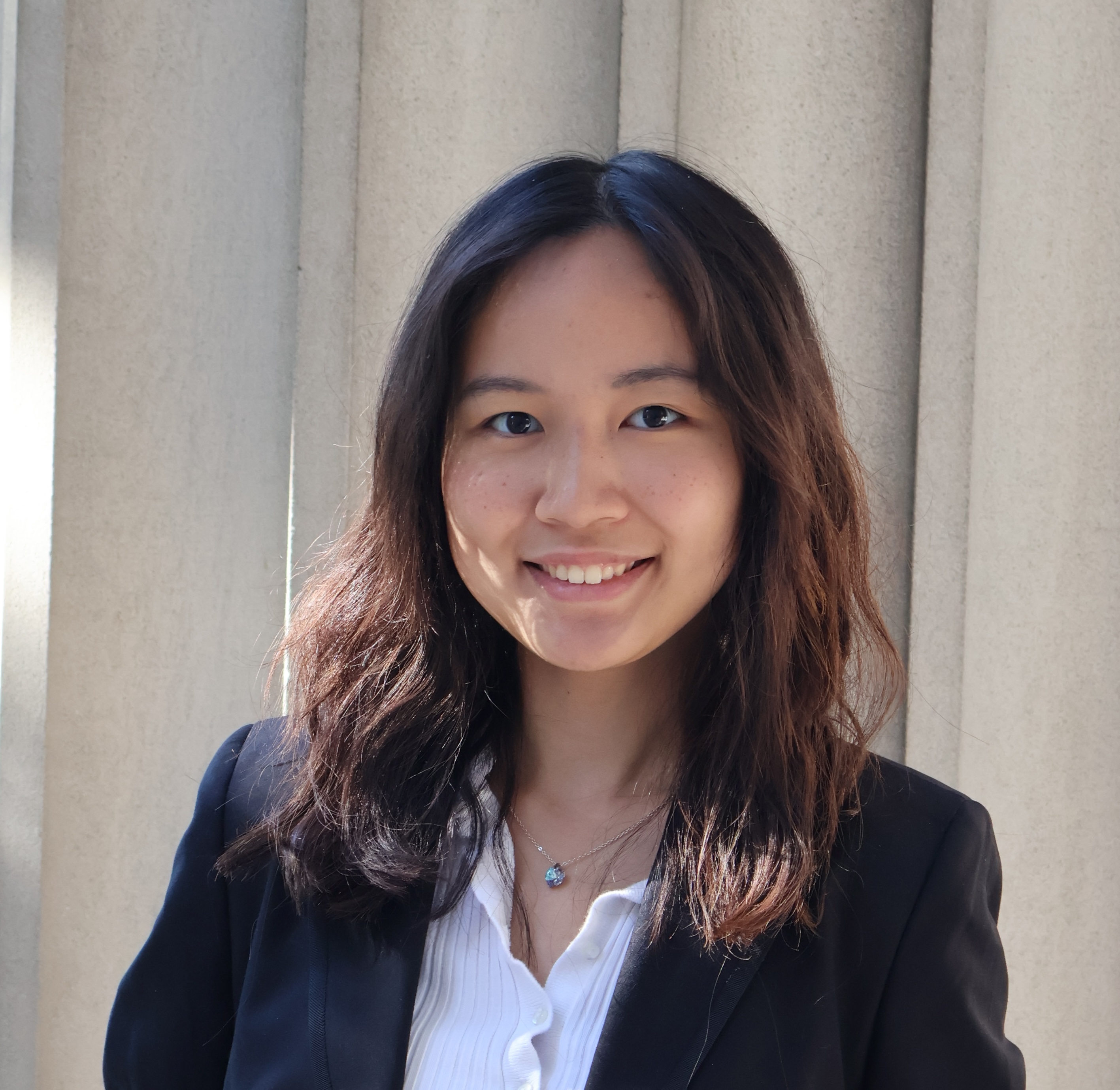
Hi, I'm Lily (or you may know me as Xiaoqing). I recently graduated from MIT. Welcome to my infodump website :)
I was a physics major and my research interests are in AI alignment. I've done some work on LLM feature representations and post-training (check out my research page). I think understanding models better is important so we can make sure they do what we want them to do.
Other than that, I enjoy travelling, playing and listening to (classical) music, walking/hiking/gymming, movies (Marvel/Star Wars) and consumerism. Feel free to reach out at xqsun@mit.edu.
Life Story
I grew up in Singapore and went to Raffles Girls' School & Raffles Institution. During high school I mostly occupied myself with physics (IPhO) and later astronomy (IOAA) competitions. I also spent a lot of time on physics research through IYPT (or OYPT) which is a great program. These allowed me to go to some pretty life-changing camps like SIYSS and Atlas. Unrelated to work I was also in the SNYO which was super fun.
I then went to MIT and decided to major in physics. The summer after freshman year, I did MISTI at the University of Pisa in Italy. At the beginning of sophomore year I got into AI interpretability, thanks to my GOAT advisor Max Tegmark. I was also a MATS 8.0 scholar under Neel Nanda. This was a 10/10 program and something I highly recommend for anyone looking to get into AI safety.
This summer I'm interning at Jump as a quantitative researcher.
Recently
- [2026.07.01] Life updates: Graduated, visa delays, will *not* be going to ICML :(
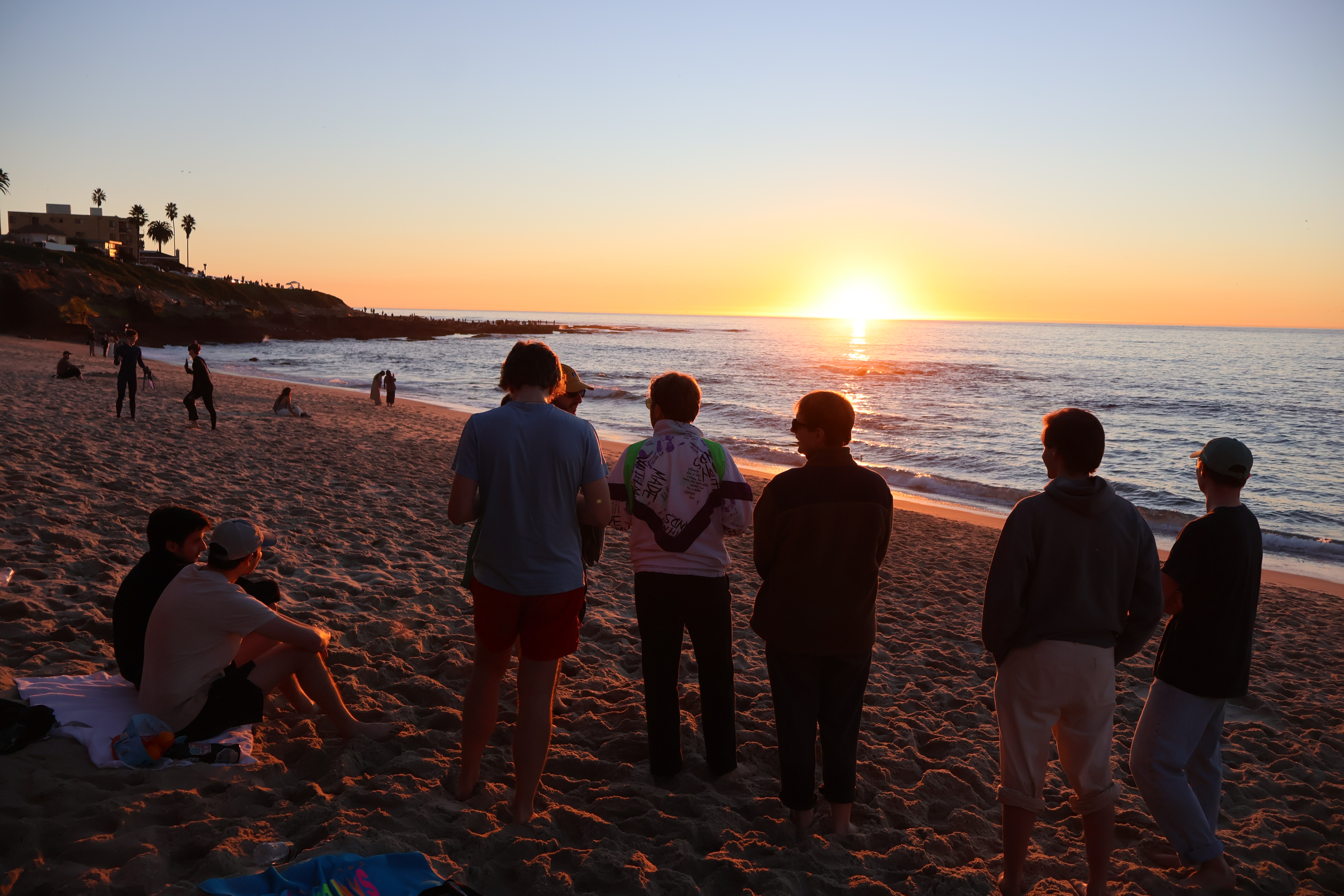
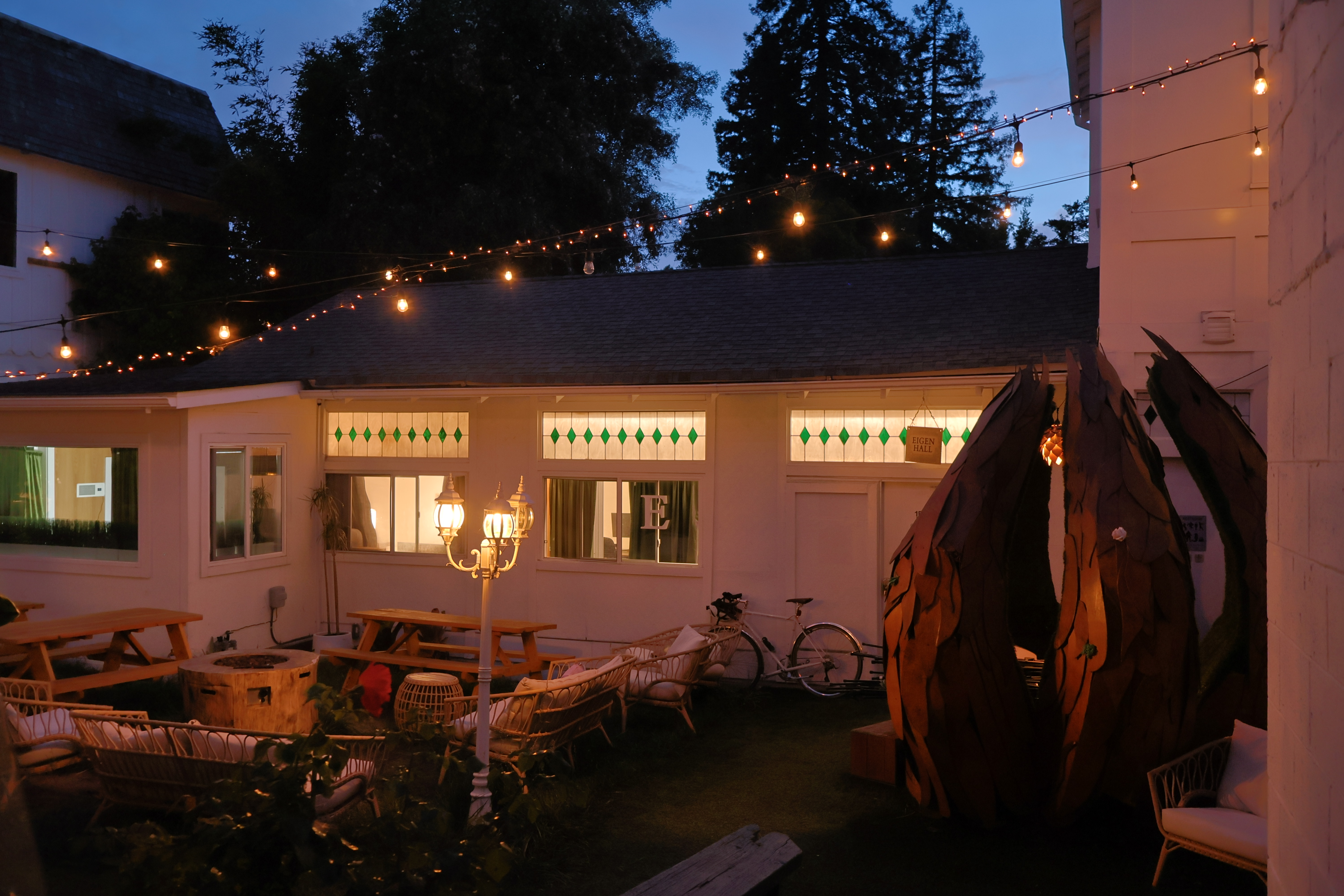
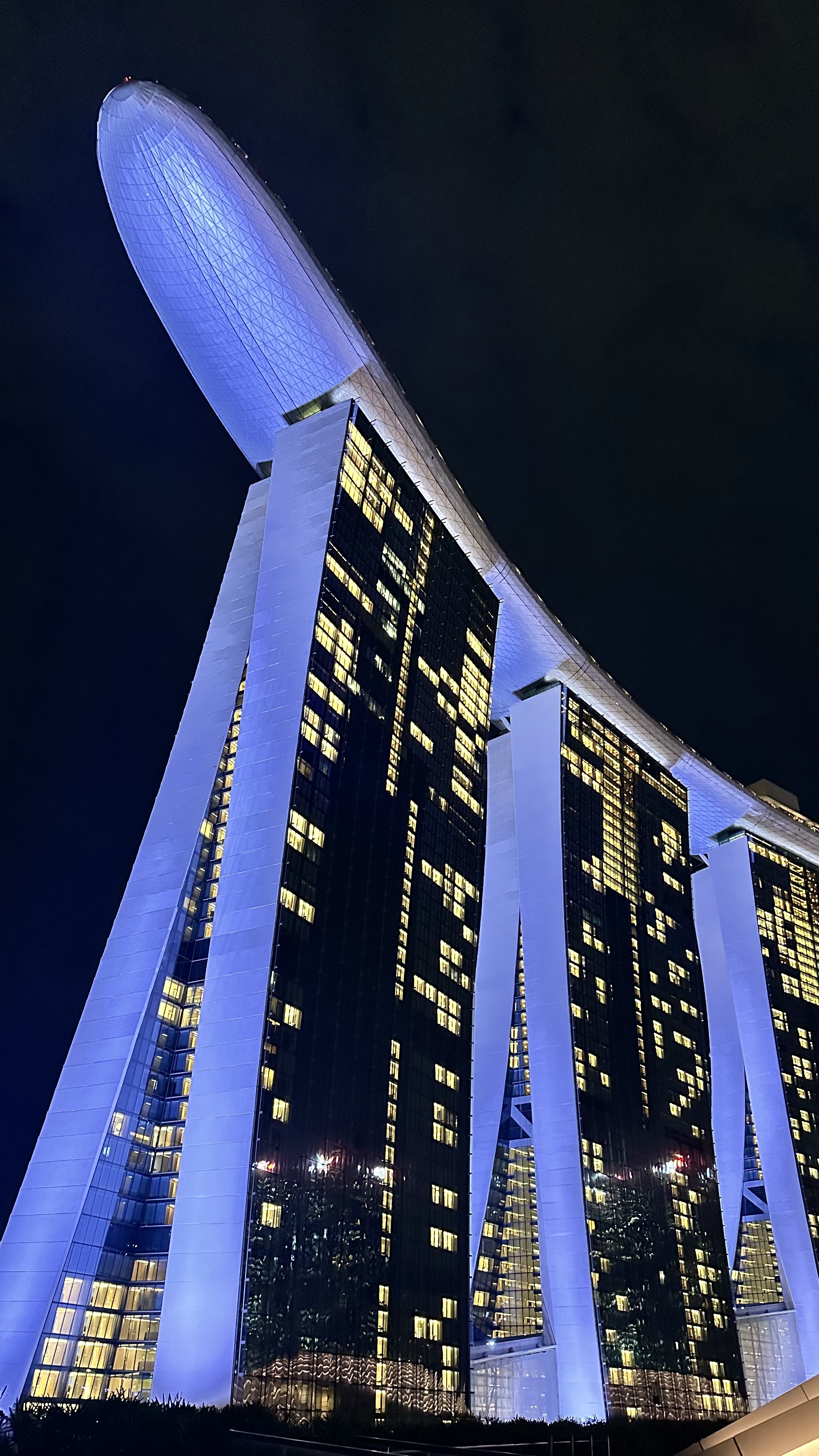
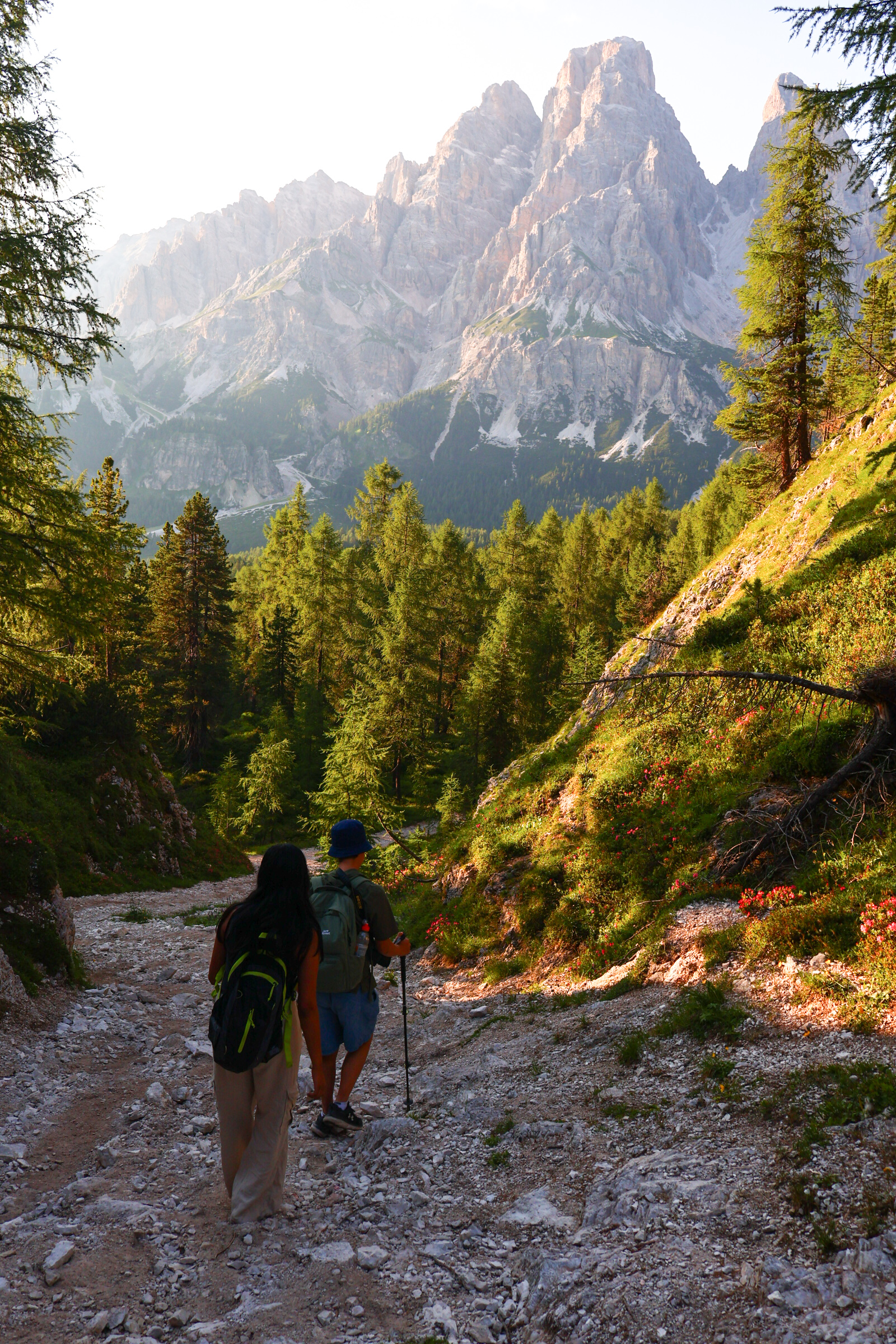
travel / photography
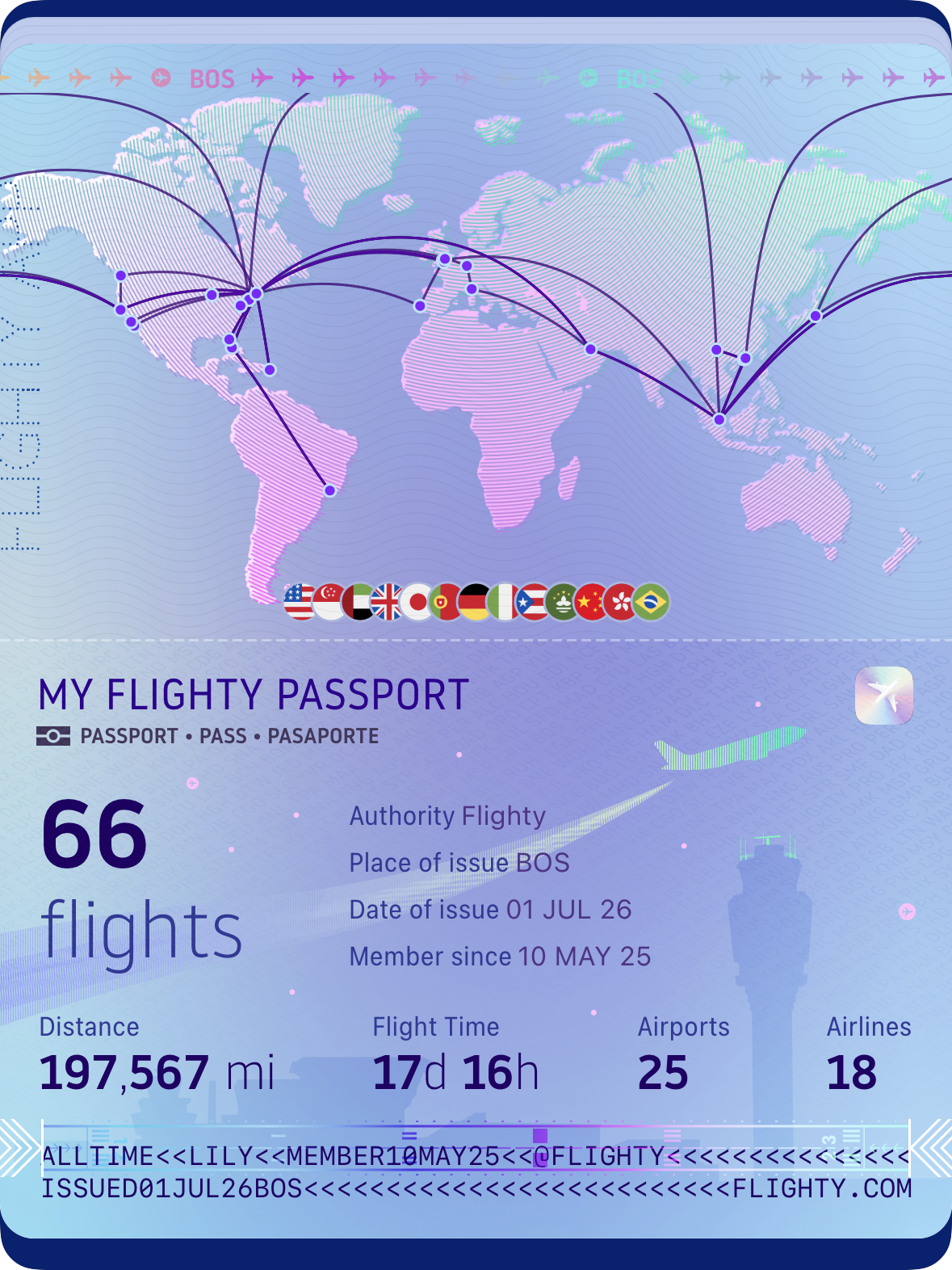
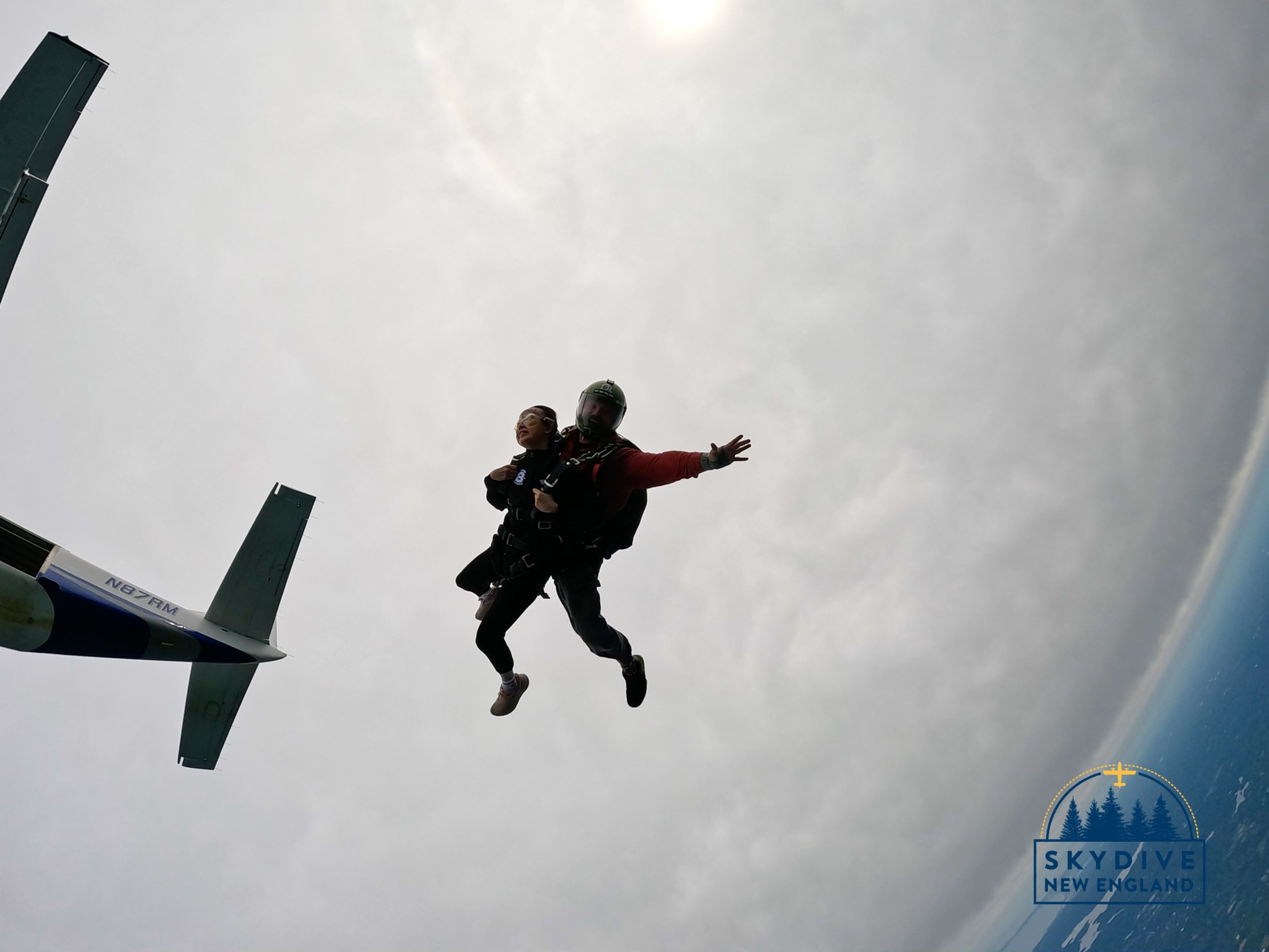
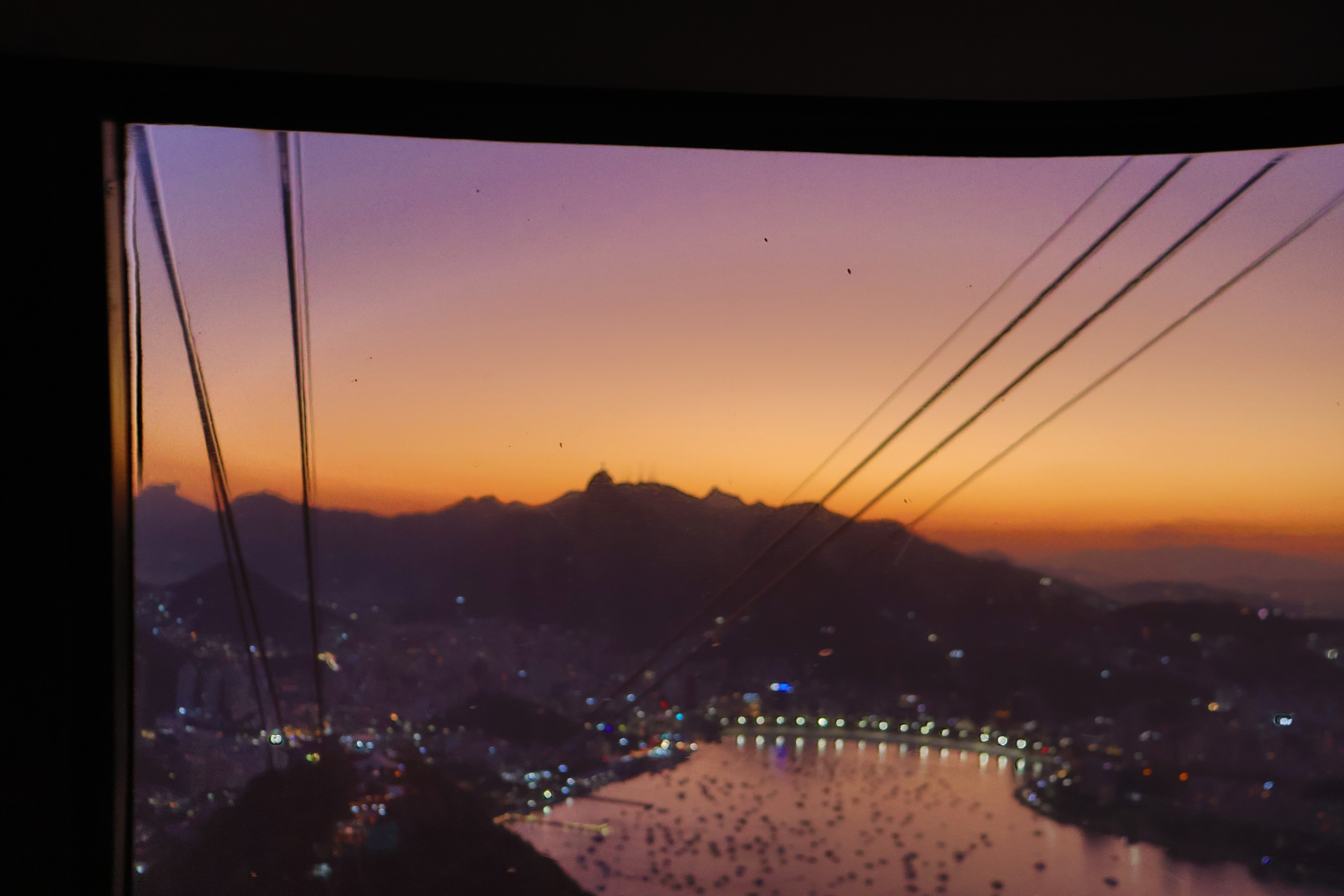
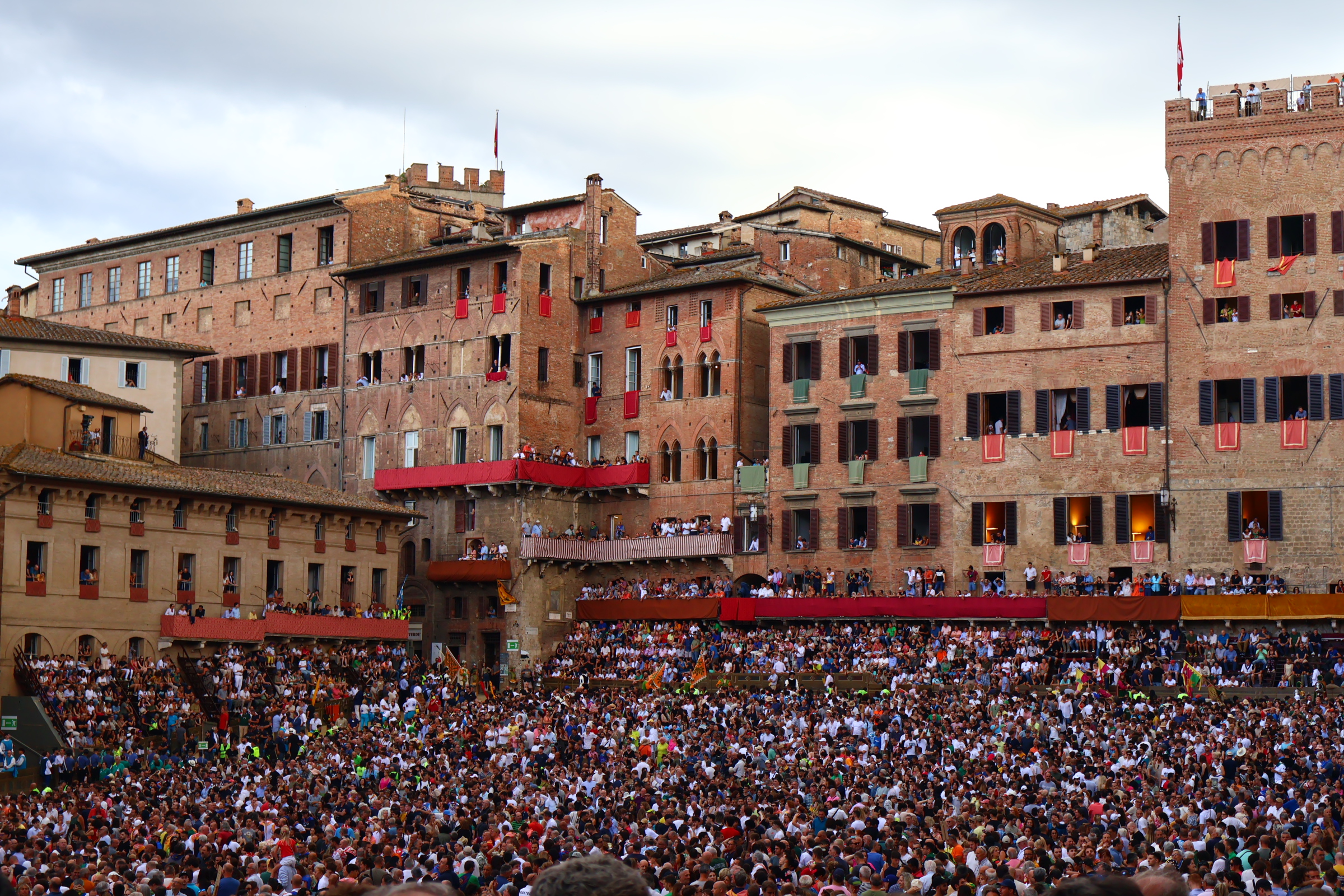
i love travelling and experiencing new places and things. here's my flighty from aug 2023-jun 2026... and here's my very specific bucketlist:
- hawaii
- southern italy (matera/puglia, amalfi), i love italy
- road trip to vegas + grand canyon/bryce/zion/etc + resorts and/or a horse ranch
- hike in patagonia and then go to antarctica (this)
- scottish highlands road trip
- kathmandu/bhutan
music
my music taste is fire in my (unbiased) opinion, so here are some amazing playlists. i don't have good videos of myself playing the violin but if you squint you can see me here.
classical
70++ hours of classical because it is the best genre.
life story
if 70 hours of classical is too much, these are some of the goats.
movie soundtracks
this is probably quite a bad playlist objectively since it's just based on what movies I like / are nostalgic for me.
needle drops
self-explanatory, iykyk.
movies
i grew up on harry potter and YA books and wrote my college essays about writing fanfiction as a kid (and they must've worked). i'm a fan of marvel (captain america) and star wars (prequels and andor, don't ask) and action movies in general, and also sci-fi / adventure / biopics of cool people. feel free to drop recs below.
recently & bucketlist
it's hard to find time to travel or do big fun things given some of my other priorities right now (career, research, figuring out post-grad life), so recently i've just become gym and protein and having good fits pilled. i even started running.
hobby bucketlist
Research Interests
Models should be aligned. To me this means 1. being able to interpret what they're doing and 2. being able to shape them intentionally.
In-Progress
Selected Works
Interpretable Embeddings with Sparse Autoencoders: A Data Analysis Toolkit
N Jiang*, X Sun*, L Dunlap, L Smith, N Nanda
ICML 2026 -
arXiv:2512.10092
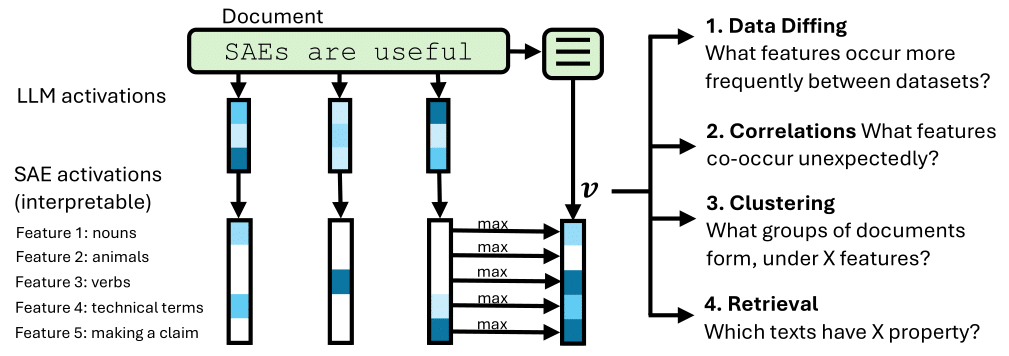
SAEs may or may not be useful for interpreting models, but we think they are useful for interpreting (text) data. We explore the use of SAEs as effectively a data labeller.

Dense SAE Latents Are Features, Not Bugs
X Sun*, A Stolfo*, J Engels, B Wu, S Rajamanoharan, M Sachan, M Tegmark
NeurIPS 2025 -
arXiv:2506.15679
Some features in SAEs occur very frequently. We look into these features, finding that they often correspond to true high-frequency model signals.
Where Do LLM Values Come From?
X Sun, A Conmy, J Engels
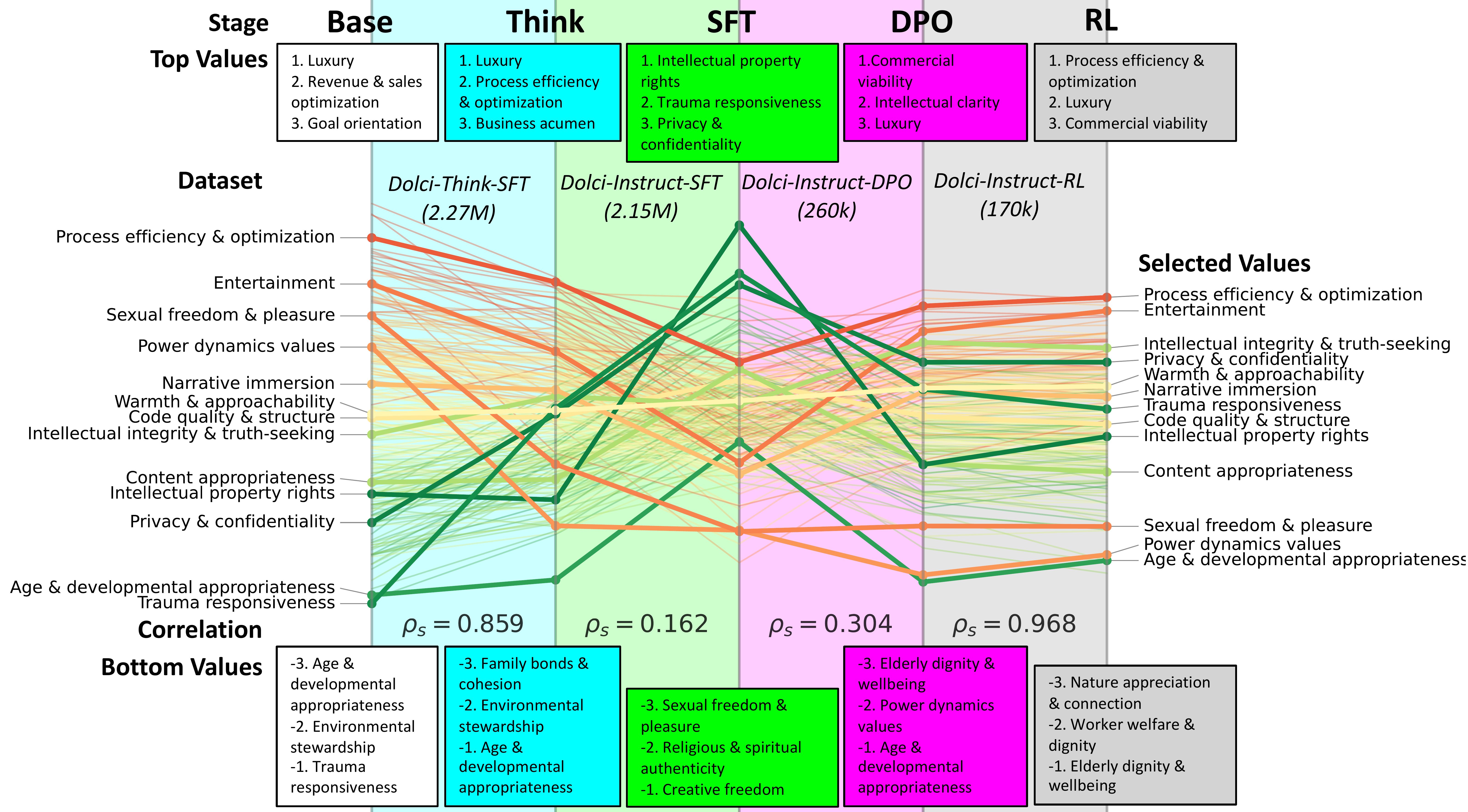
Model values (e.g. intellectual curiosity, warmth) affect their responses to subjective user queries. Values change during post-training, often unexpectedly. We think being able to predict value changes from data (not just post-hoc data attribution) is important and tractable.
The effects of projection on the splashback feature
X Sun, S O'Neil, X Shen, M Vogelsberger
The Open Journal of Astrophysics 2025 8 (July). -
arXiv:2503.04882
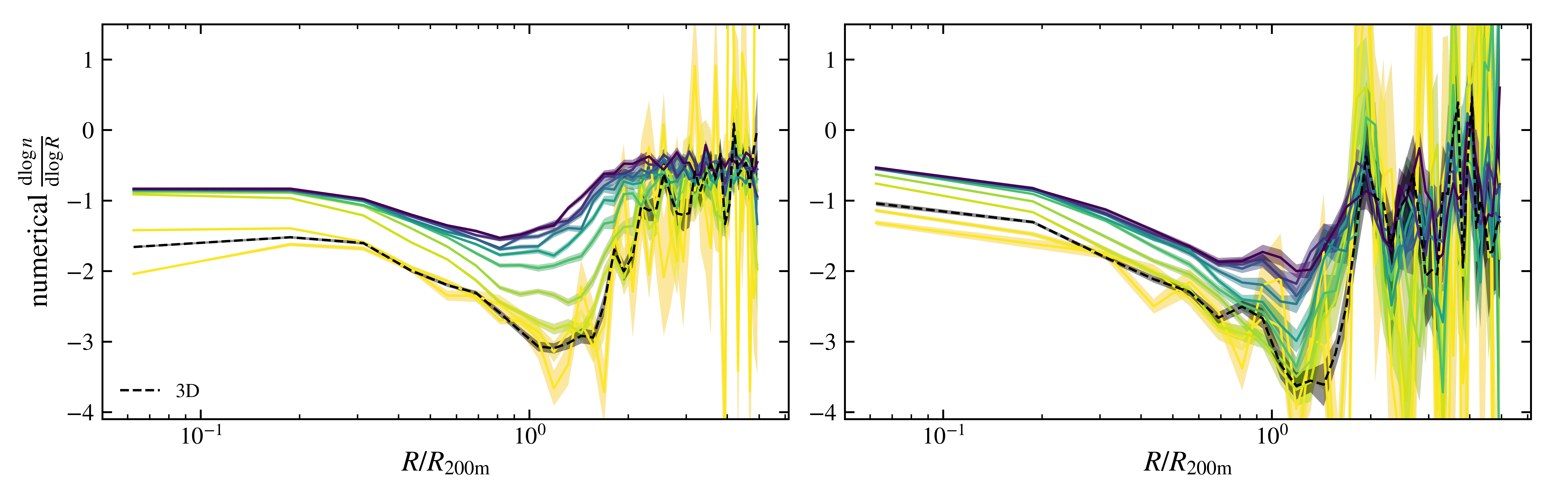
The boundaries of galaxy halos are fuzzy, and observations differ from simulations. We investigate the effects of projection on measuring this boundary.
Other Works
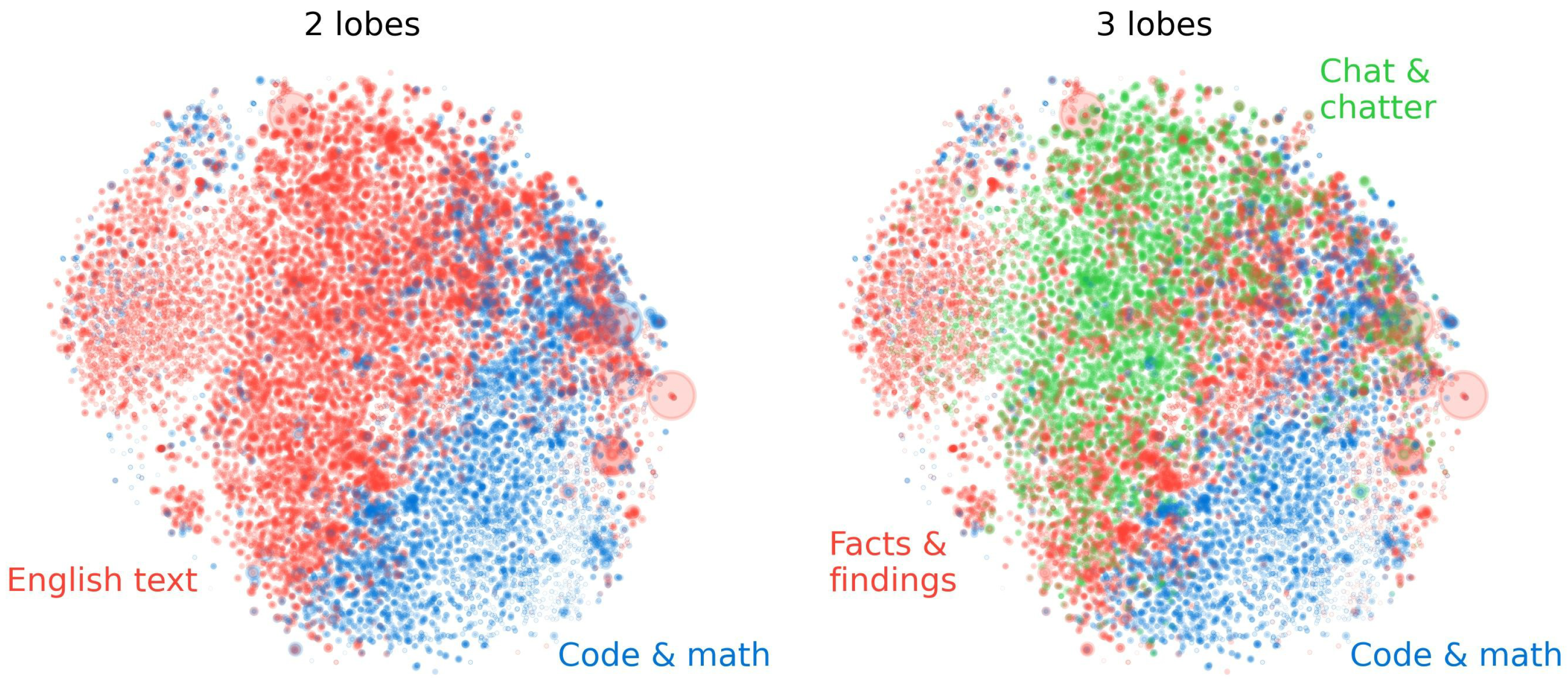
The Geometry of Concepts: Sparse Autoencoder Feature Structure
Y Li*, EJ Michaud*, DD Baek*, J Engels, X Sun, Max Tegmark
Entropy 27 (4), 344 -
arXiv:2410.19750
When I first joined Tegmark's group, I helped out with this project, showing how SAE feature geometry reflects semantic structure.
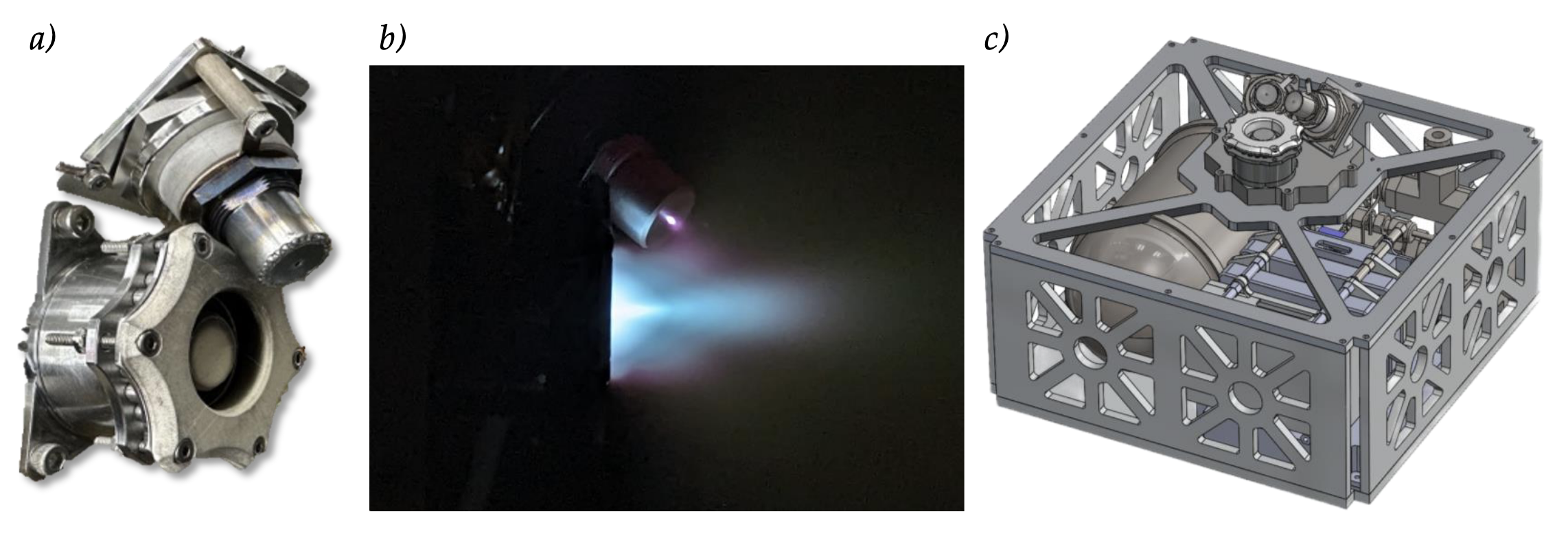
Performance and Plume Characterization of the MUlti–Stage Ignition Compact (MUSIC) Hall Effect Thruster
GC Potrivitu, M Laterza, D Agarwal, X Sun, JWM Lim
Proceedings of the 38th International Electric Propulsion Conference 2024 -
ResearchGate
I interned at Aliena after high school and worked on characterizing a small Hall effect thruster.
Miscellaneous
8.13 Experimental Physics
8.13 (also known as Junior Lab) is the big experimental physics class for physics majors at MIT. It is known to be pretty time-consuming, which I found to be true, but it was also really fun and I enjoyed doing experiments that involved touching stuff other than a keyboard. For fun, here are my lab reports.
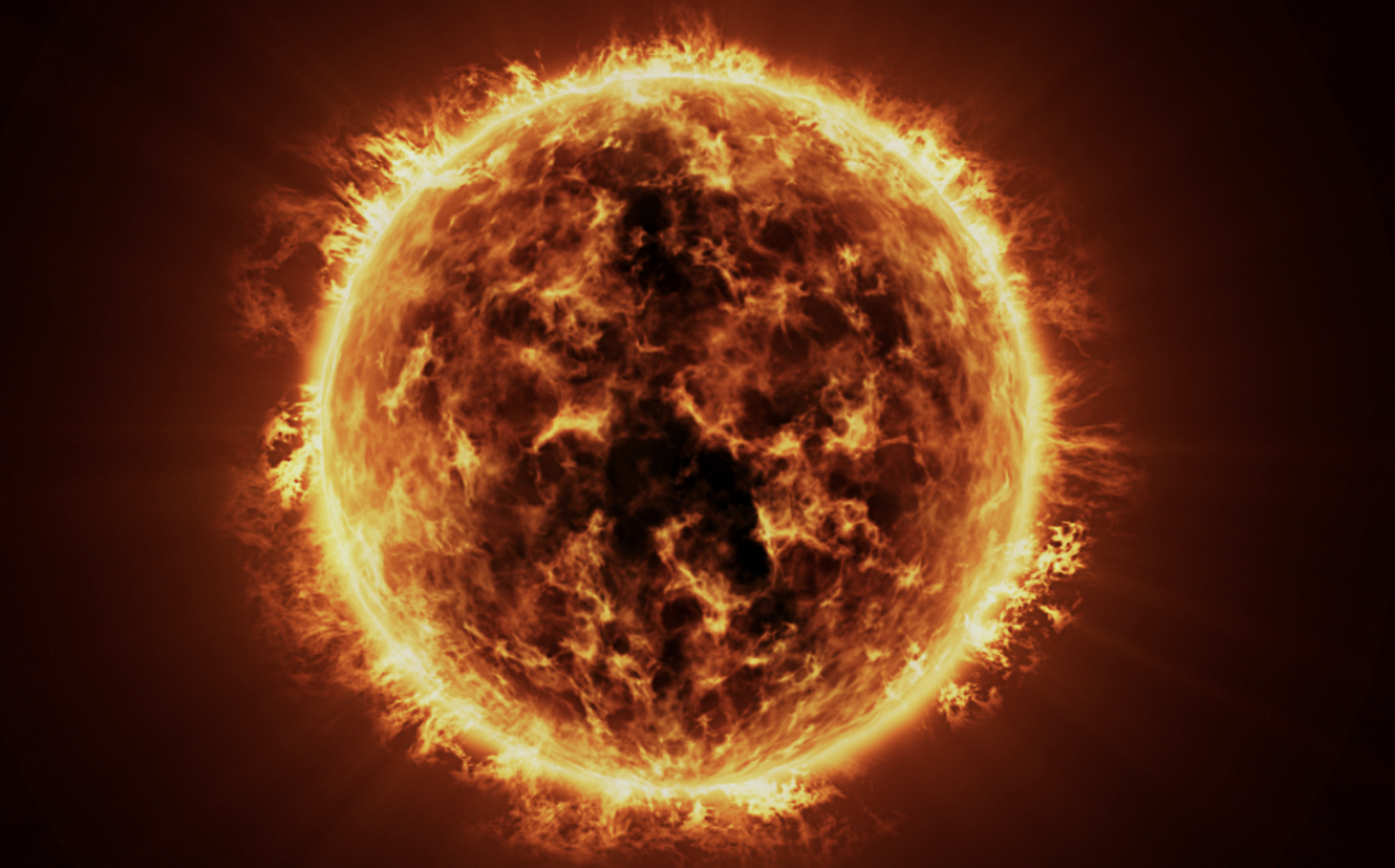
Experiment 1: Measuring the temperature of the Sun at 21cm
MIT has a big radio telescope on a roof, which I pointed at the Sun.
View PDF
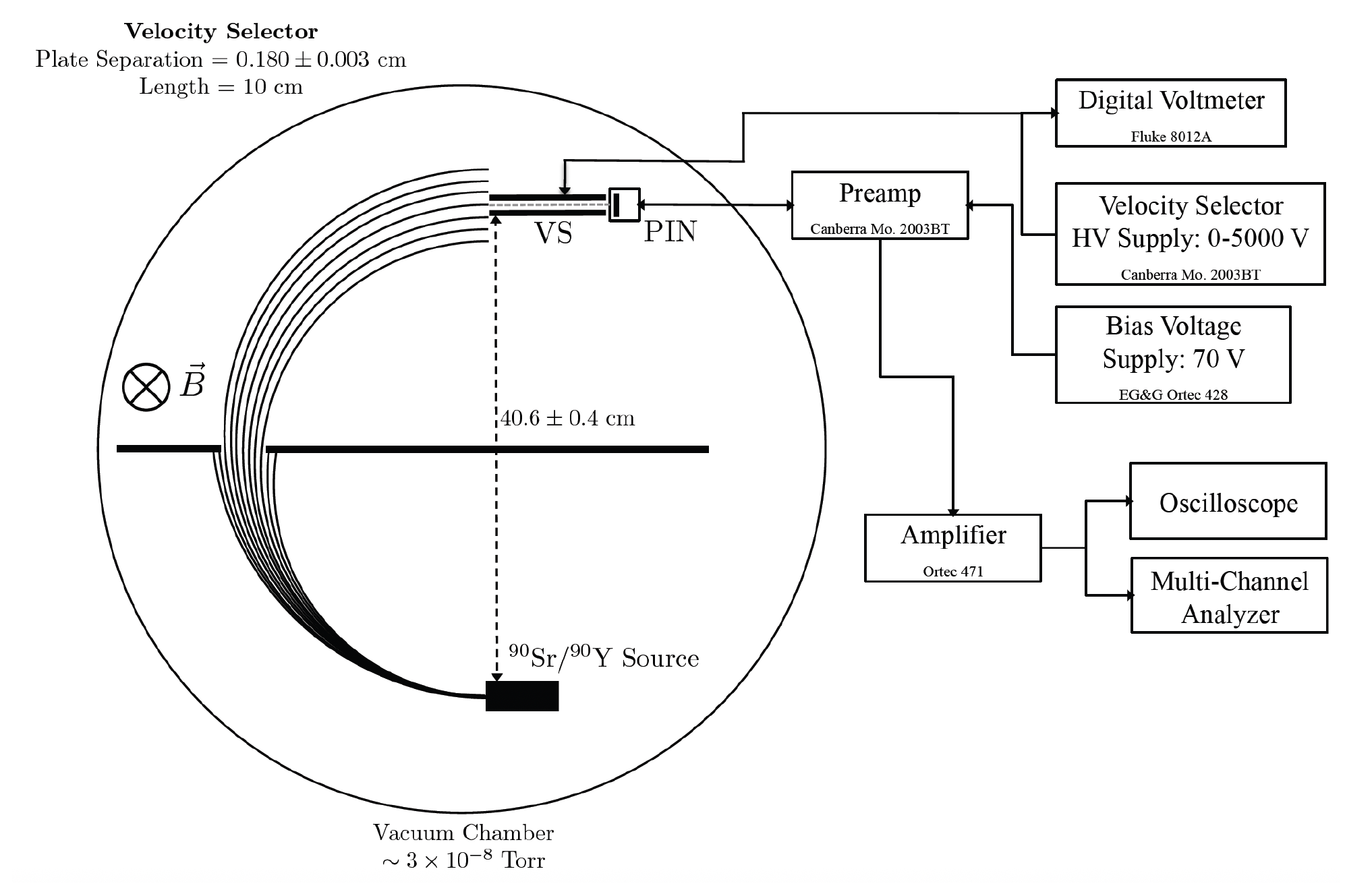
Experiment 2: Measuring the charge-to-mass ratio of the electron using relativistic dynamics
We can investigate whether electrons from radioactive decay follow relativistic or classical dynamics by examining their momentum-velocity relationship. Spoiler: relativity is correct.
View PDF
Experiment 3
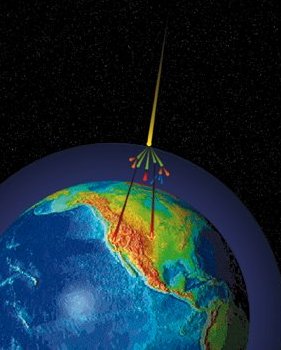
Muons (the particle not the optimizer) are created in the atmosphere by cosmic rays. Muon counts vary with altitude and latitude, so I brought the apparatus (CosmicWatch) with me on the plane to ICLR in Rio to measure this effect. I was a little stressed that TSA would stop me for having a mysterious duct-taped device with blinking lights but all went well.
View PDF